
The agreement on January 28, 1610, between the Crown and the Irish Society of London to carry out the plantation of Derry, Coleraine, and part of Tyrone refers to a significant historical event known as the Plantation of Ulster. This event takes place in the early 17th century and is part of the broader policy of the English and later British colonization of Ireland.
The Plantation of Ulster is a process initiated by the English Crown, primarily under King James I, to colonize the province of Ulster in the north of Ireland with English and Scottish Protestant settlers to defend against a future attack from within or without. This follows the Flight of the Earls in 1607, when several Gaelic Irish lords leave Ireland, leading to the confiscation of their lands by the Crown.
In his survey, James I finds that the town of Derry (renamed Londonderry) can become either a great asset as a control over the River Foyle and Lough Swilly, or it can become an inviting back door if the people of the area are against him. He pressures the guilds of the City of London to fund the resettlement of the area, including the building of a new walled city.
The Irish Society is formed by the City of London in response to James I’s royal request to participate in the plantation. The Society is a consortium of London livery companies, which are trade associations and guilds.
The Crown grants the Irish Society lands in Ulster, particularly in modern-day County Londonderry (then including what is now County Tyrone), to establish new settlements. The key areas are the city of Derry and the town of Coleraine.
The primary objective is to settle Ulster with loyal Protestant subjects, thus consolidating English influence in Ireland. The plantation aims to bring about economic development and to establish control over what is considered a rebellious and unruly region.
The livery companies of London undertake the establishment of new towns, fortifications, and the settlement of the land with tenants. However, the implementation faces various challenges, including resistance from the native Irish population, logistical difficulties, and issues of mismanagement.
The Plantation of Ulster has profound and lasting demographic, social, and political impacts. It leads to significant changes in land ownership and contributes to the religious and cultural diversification of the region. The plantation is also a root cause of the sectarian divide in Northern Ireland, contributing to centuries of conflict between the Protestant and Catholic communities.
The agreement between the Crown and the Irish Society of London to carry out the Plantation of Ulster is a pivotal event in Irish history. It plays a crucial role in shaping the historical trajectory of Ireland, particularly Northern Ireland, and its effects are still felt in the region’s complex socio-political landscape.
The Plantation of Ulster remains a subject of historical analysis and debate, reflecting the complex interplay of colonization, cultural identity, and conflict in Irish history.
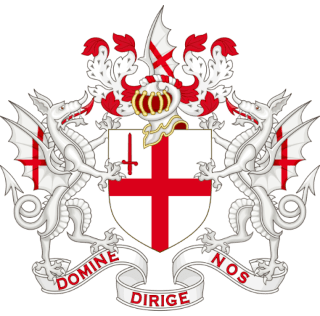
(From: “The Crown and the Irish Society of London, Agree to Carry Out the Plantation of Derry, Coleraine and Part of Tyrone,” McManus Family History, http://www.mcmanusfamilyhistory.com | Pictured: The crest of the Irish Society of London)

 seamus dubhghaill