
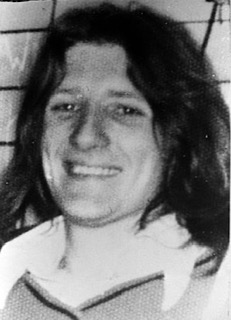
On April 9, 1981, imprisoned Irish Republican Army (IRA) hunger striker Bobby Sands is elected to the Parliament of the United Kingdom as the MP for Fermanagh and South Tyrone.
Sands stands as a candidate of the “Anti-H Block” campaign – the section of the Maze prison in Maze, County Down, Northern Ireland, reserved for republicans and loyalists convicted of terrorist offences. He wins just over 52% of the vote in the Northern Ireland by-election compared to 49% for the candidate of the Official Unionist party, Harry West. His winning margin is 1,400 but over 3,000 ballot papers are spoiled.
Recriminations over his victory begin almost immediately. Unionist parties come under fire for not mounting an effective challenge. There is also sharp criticism of the failure of the moderate Catholic Social Democratic and Labour Party (SDLP) to contest the seat. Many believe the absence of an alternative Catholic candidate ensures victory for Sands in a seat with a Catholic majority.
Sands’ election agent, Owen Carron, says the British Government has been sent a message. “The nationalist people have voted against Unionism and against the H-blocks. It is time Britain got out of Ireland and put an end to the torture of this country,” he says.
At the time of his election, Sands, 27, has served four years of a fourteen-year sentence for firearms possession. He began his hunger strike 41 days earlier to press the republican prisoners’ claim to be treated as prisoners of war.
The government has to decide how to respond to Sands’ victory. It can try to have him expelled on the grounds that he is an “unacceptable member.” However, unless he starts to eat again, he is not expected to live for more than another few weeks. He has already lost two stone and is too weak to leave his bed in the prison’s hospital wing.
Sand’s victory is the second time the voters of Fermanagh and South Tyrone have elected a republican prisoner as their MP. The first, Philip Clarke, in 1955, is disqualified because the law then does not allow convicts to take up political office.
In spite of attempts by the European Commission of Human Rights to mediate, Sands dies on May 5, 1981. He is the first of ten republican prisoners to die after hunger strikes. They attract international media attention and sympathy for the republicans.
The hunger strikes come to an end in October 1981. However, the Conservative Government of Margaret Thatcher grants the republicans only a few minor concessions.
(From: “1981: Hunger striker elected MP” on “On The Day 1950-2005,” BBC, news.bbc.co.uk)

 seamus dubhghaill