
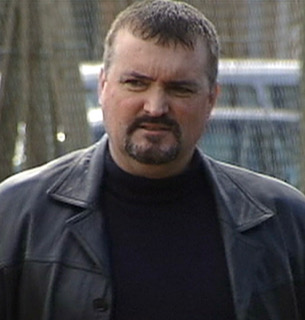
On November 24, 2006, loyalist paramilitary figure Michael Stone is arrested after attempting to breach the Stormont parliamentary buildings in Belfast while armed.
Stone, a convicted killer from the Ulster Defence Association (UDA), enters Stormont during a key debate on restoring devolution in Northern Ireland. He is carrying a handgun, a knife, and a bag containing six to eight suspected explosive devices. According to police, he throws the bag into the lobby, claims it is a bomb, and is confronted by civilian security guards and assembly security staff, who wrestle the gun from him and detain him before he can gain entry.
Chief Constable Sir Hugh Orde describes the devices as “fairly amateurish” but still dangerous, and says the security response was “outstanding” in preventing Stone from entering. The meeting, which had been scheduled to hear Democratic Unionist Party (DUP) and Sinn Féin nominations for the first and deputy first minister posts, is suspended about 20 minutes into the proceedings.
Stone is charged with attempted murder of Martin McGuinness and Gerry Adams, as well as possessing items likely to be used for terrorist purposes and possessing a firearm. He is remanded in custody until December 22, 2006. In 2008, he is convicted and sentenced to sixteen additional years in prison. He is released on parole in 2021.
Prime Minister of the United Kingdom Tony Blair calls the act “a sad publicity act by a very sad individual” and stresses that the St. Andrews Agreement remains the only path forward. Secretary of State for Northern Ireland Peter Hain orders an urgent security review. The incident disrupts a politically sensitive moment in the power sharing talks, with Ian Paisley refusing to accept a nomination to lead the assembly without Sinn Féin’s support for the police.
In summary, Michael Stone’s November 24, 2006, arrest at Stormont is a high-profile security breach involving a gun, knife, and suspected explosives, which leads to multiple charges, a 2008 conviction, and further political disruption in Northern Ireland.


