
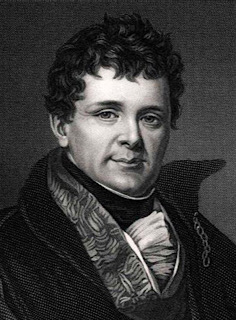
On July 30, 1829, Daniel O’Connell is returned as Member of Parliament (MP) for Clare in a by‑election that is unopposed. This is a landmark moment in Irish political history, as it is the first time after the Roman Catholic Relief Act 1829 that a Roman Catholic MP is elected.
O’Connell, leader of the Catholic Association and a radical reformer, is elected in the 1828 Clare by‑election. However, as a Catholic, he refuses to take the Oath of Supremacy, which bars Catholics from sitting in Parliament. This causes his seat to be vacated.
Prime Minister of the United Kingdom Arthur Wellesley and Home Secretary Sir Robert Peel, who had previously opposed Catholic participation in Parliament, fear that denying O’Connell his seat will provoke outrage and potentially another rebellion in Ireland — a country then about 85% Catholic. This political pressure directly leads to the Roman Catholic Relief Act 1829, which allows Catholics to become MPs, and the Parliamentary Elections (Ireland) Act 1829, which raises the property qualification for voting from £2 to £10.
With the new law in place, O’Connell stands again. The by‑election is unopposed, meaning he is returned without contest. This is significant because the higher property qualification could have disenfranchised many tenant farmers, but in Clare, O’Connell is the only candidate.
O’Connell does not stand again in Clare at the 1830 United Kingdom general election, but he remains a major political figure, later becoming MP for Dublin City and leading the campaign for the repeal of the Acts of Union 1800.
In summary, the July 30, 1829, Clare by‑election is a symbolic victory for Catholic emancipation, marking the first time a Catholic MP is elected under the new laws, and cementing O’Connell’s role as “The Liberator” of Irish political rights.

