On November 1, 1688, William III of Orange sets sail from Hellevoetsluis, the Netherlands, launching a second major expedition to invade England in the context of the Glorious Revolution. This is part of a broader political and military campaign to depose King James II of England (James VII of Scotland and James II of Ireland) and secure England as an ally in the upcoming Nine Years’ War against France.
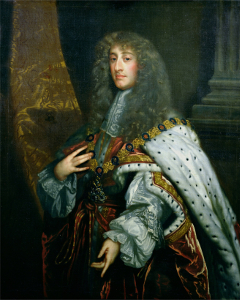
James II, a Roman Catholic, had ruled since 1685 and faced deep Protestant opposition in England and Scotland. His policies, including the Declaration of Indulgence and prosecution of the “Seven Bishops,” alienates many. In June 1688, the birth of his Catholic son, James Francis Edward Stuart, threatens the Protestant succession, while his continued authoritarian rule fuels unrest.
Seven prominent Englishmen, known as the “Immortal Seven,” invite William to intervene, framing it as a defense of Protestantism and constitutional government. William, James’s nephew and son-in-law, sees the invasion as both a political opportunity and a strategic move to counter French expansion.
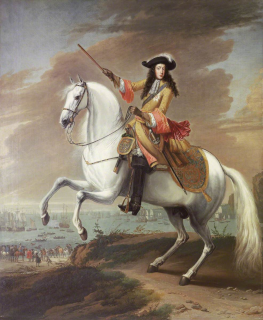
William assembles one of the largest fleets in European history, with 14,000–21,000 troops and a powerful navy. On November 5, 1688, he lands at Brixham in Torbay with his army. The campaign is marked by low casualties and minimal fighting, as James’s forces begin to collapse and many defect to William’s side.
By late November, James retreats from Salisbury and flees to France on December 23, 1688. William enters London without significant resistance, leading to the constitutional settlement in 1689, in which Mary II and William III become joint monarchs of England, Scotland, and Ireland.
The Glorious Revolution is often described as a “bloodless” revolution because it avoids large-scale battles, but it is a decisive political change that establishes parliamentary supremacy and lays the foundation for constitutional monarchy in Britain. William’s invasion is also notable as one of the last successful invasions of England.
In summary, on November 1, 1688, William III of Orange’s departure from Hellevoetsluis is the start of a swift and politically decisive campaign that ends James II’s reign and reshapes the British monarchy.
(Pictured: William III landing at Brigham on November 5, 1688)