
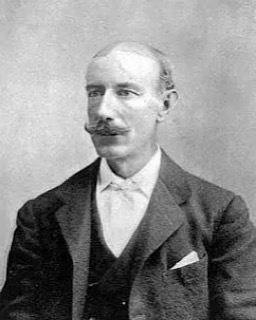
Windham Thomas Wyndham-Quin, 4th Earl of Dunraven and Mount-Earl, an Anglo-Irish Conservative politician, journalist, and landowner, founds the Irish Reform Association on August 26, 1904. This initiative is part of his broader political engagement in Ireland during a period of significant constitutional and social change.
The Irish Reform Association is established in the early 20th century, a time when Ireland is under British rule and political reform movements are gaining momentum. Lord Dunraven, known for his role in the 1902 Land Conference and his advocacy for Irish interests, seeks to promote reformist policies that will address land tenure, political representation, and constitutional rights for Ireland.
The association aims to support legislative reforms benefiting Irish tenants and landowners, encourage greater political participation and representation for Irish voices in the Parliament of the United Kingdom, and counterbalance more radical nationalist or unionist positions with a moderate, reformist platform.
Lord Dunraven has a long career in British politics, serving as Under-Secretary of State for the Colonies under Robert Gascoyne-Cecil, 3rd Marquess of Salisbury, in the 1880s and later as a Senator of the Irish Free State from 1922 to 1926. His background as a journalist, soldier, and sportsman give him a broad public profile, and his formation of the Irish Reform Association reflects his interest in bridging political divides and advancing pragmatic reform.
While the Irish Reform Association does not achieve the same long-term prominence as other reform movements, its creation marks Lord Dunraven’s active role in shaping Irish political discourse at a critical juncture. It aligns with his broader efforts to influence Irish policy through both legislative engagement and public advocacy.
In summary, the founding of the Irish Reform Association on August 26, 1904, is a deliberate political move by Lord Dunraven to advance reformist causes in Ireland, reflecting his commitment to balanced, constructive change within the constitutional framework of the time.


