
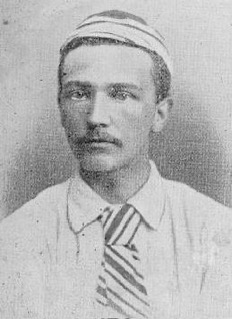
On September 16, 1920, the British double agent John Henry Gooding, operating under the alias F. Digby Hardy, makes a dramatic overture to the Irish Republican Army (IRA). Hardy, a habitual criminal with a long record of forgery, fraud, and petty crime, has been recruited by British intelligence to infiltrate the IRA’s intelligence network and capture Michael Collins.
Born in 1868 in Devonport, Plymouth, England, Hardy has a troubled life marked by multiple imprisonments, bigamy, and a career in petty crime. After deserting the Royal Navy in 1888, he adopts the alias “Frank Hall” and lives in Surrey before moving to London. By 1920, he is a known criminal with a five-year fraud sentence in 1918, partially served until his release in 1919.
Hardy approaches IRA intelligence, offering to betray his British superior, Basil Thomson, to the IRA. The plan is for him to infiltrate the IRA’s network and hand over information on Collins. However, the operation is foiled when Arthur Griffith, a leading Irish republican, intercepts Hardy’s mission.
Griffith arranges a staged meeting in Dublin attended by international journalists. Hardy is confronted and, upon presentation of evidence, confesses his mission and criminal background. The exposure embarrasses British intelligence and draws international attention.
Rather than being executed, Hardy is given until the next morning to leave Ireland. He flees, resuming petty crimes until his death in 1930. The September 16, 1920 incident becomes a notable example of how British intelligence’s reliance on unreliable agents could backfire during the Irish War of Independence.
In summary, on September 16, 1920, F. Digby Hardy (John Henry Gooding) attempts to betray his British handler to the IRA, but is exposed and forced to flee Dublin after being misled by Arthur Griffith into revealing his mission to reporters.

