
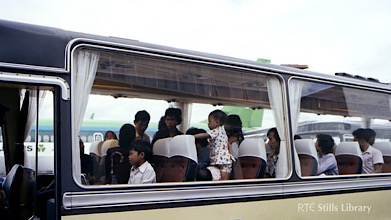
On August 9, 1979, Ireland welcomes its first group of Vietnamese refugees, known as the “boat people,” under a United Nations High Commissioner for Refugees (UNHCR) resettlement initiative. These are Vietnamese who have fled the communist takeover of Vietnam after the fall of Saigon in 1975, enduring perilous journeys across the South China Sea in small boats.
The first arrivals come on a flight from Hong Kong, with 58 Vietnamese refugees disembarking at Dublin Airport. They are met by members of the Irish Red Cross and Minister for Foreign Affairs Michael O’Kennedy, who assures them of Ireland’s willingness to help. The refugees are taken by bus to a Red Cross centre in Blanchardstown for initial accommodation.
Many of the refugees have spent months in refugee camps in Hong Kong and Malaysia, often rescued from overcrowded boats after long, dangerous voyages. Some, like Tri Quoc Nguyen, recall the smell of vomit and sweat from days at sea, and the trauma of internment for family members. Delays in resettlement elsewhere—such as the United States—leads some to choose Ireland for its perceived safety and shorter wait.
The Irish government invites these refugees, and religious and non-governmental organisations play a major role in resettlement. The first group of about 212 Vietnamese is dispersed to various Irish towns, including Tralee, Portlaoise, and Cork. Many later move to Dublin, where they begin building new lives.
Over the decades, the Vietnamese-Irish community has grown into a well-established ethnic minority in Ireland, with contributions in business, education, and culture. Many open Vietnamese restaurants and community businesses, and maintain strong family and cultural ties.
This August 9, 1979 event marks the beginning of a significant chapter in Irish migration history, symbolising Ireland’s role in humanitarian resettlement during the late 20th century.
(Photo credit: RTÉ Stills Library)

