seamus dubhghaill

Promoting Irish Culture and History from Little Rock, Arkansas, USA


Leave a comment

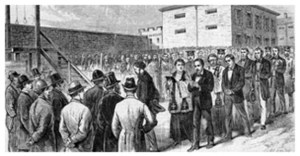
Execution of John Kehoe, the Last of the Molly Maguires

John “Black Jack” Kehoe, the last of the Molly Maguires, is hanged in Pottsville, Pennsylvania, on December 18, 1878.

The Molly Maguires is an Irish secret society that is allegedly responsible for some incidents of vigilante justice in the coalfields of eastern Pennsylvania. They defend their actions as attempts to protect exploited Irish American workers. They are, in fact, often regarded as one of the first organized labor groups.

In the first five years of the Great Famine in Ireland that begins in 1845, 500,000 immigrants come to the United States from Ireland — nearly half of all immigrants to the United States during these years. The tough economic circumstances facing the immigrants lead many Irish men to the anthracite fields in the mountains of eastern Pennsylvania. Miners work under dangerous conditions and are severely underpaid. Small towns owned by the mining companies further exploit workers by charging rent for company housing. In response to these abuses, secret societies like the Molly Maguires spring up, leading sporadic terrorist campaigns to settle worker/owner disputes.

Members of the Molly Maguires are accused of murder, arson, kidnapping, and other crimes. Industry owners become increasingly concerned about the threat posed by the Molly Maguires. Franklin B. Gowen, president of the Philadelphia and Reading Railroad, hires the Pinkerton Detective Agency to infiltrate the secret society and find evidence that can be used against them. James McParland, who later becomes the most celebrated private detective of the era, takes the high-risk assignment and goes undercover within the organization. For more than two years, he establishes his place in the Molly Maguires and builds trust among his fellow members.

Eventually, several Molly Maguires confess their roles in a murder to McParland. When he is finally pulled out of the society in February 1876, his information leads to the arrest and conviction of nineteen men.

In June 1877, ten Molly Maguires are hanged on a single day in what becomes known as “Pennsylvania’s Day of the Rope.” In December of the following year, Kehoe is arrested and hanged for the 1862 murder of Frank W. S. Langdon, a mine foreman, despite the fact that it is widely believed he is wrongly accused and not actually responsible for anyone’s death. Although the governor of Pennsylvania, John F. Hartranft, believes Kehoe’s innocence, he signs the death warrant anyway. Kehoe’s hanging at the gallows is officially hailed as “the Death of Molly-ism.”

Though the deaths of the vigilante Molly Maguires help quell the activity of the secret society, the increased assimilation of the Irish into mainstream society and their upward mobility out of the coal jobs is the real reason that protective secret societies like the Molly Maguires eventually fade into obscurity.

In 1979, Pennsylvania Governor Milton Shapp grants a posthumous pardon to Kehoe after an investigation by the Pennsylvania Board of Pardons. The request for a pardon is made by one of Kehoe’s descendants. Kehoe proclaims his innocence until his death. The Board recommends the pardon after investigating Kehoe’s trial and the circumstances surrounding it. Shapp praises Kehoe, saying the men called “Molly Maguires” are “martyrs to labour” and heroes in the struggle to establish a union and fair treatment for workers.
Leave a comment

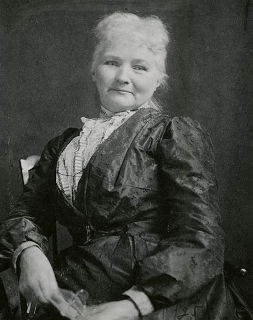
Death of Mary Harris “Mother” Jones, Union Organizer & Activist

Mary G. Harris Jones, known as Mother Jones, an Irish-born American schoolteacher and dressmaker who becomes a prominent union organiser, community organiser, and activist, dies in Silver Spring, Maryland, on November 30, 1930. She is once deemed “the most dangerous woman in America” because of her union activities.

Jones is the daughter of Richard Harris, a Roman Catholic tenant farmer and railway labourer, and Ellen (née Cotter) Harris. She is baptised on August 1, 1837, in Cork, County Cork. Her exact date of birth is uncertain. She and her family are victims of the Great Famine, as are many other Irish families of the time. The famine forces more than a million families, including the Harrises, to immigrate to North America when she is ten years old. She lives in the United States and Canada, where she attends and later teaches in a Roman Catholic normal school in Toronto. In the United States she teaches in a convent school in Monroe, Michigan and works as a seamstress. In 1861 she marries George Jones, an iron-moulder and labour union member in Memphis, Tennessee. After the death of her husband and their four children in a yellow fever epidemic in 1867, she relocates to Chicago, Illinois, where she becomes involved with an early industrial union, the Knights of Labor. Her seamstress shop is destroyed in the Great Chicago Fire of 1871.

In the 1890s Jones becomes known as ‘Mother’ Jones and begins a long association with socialist causes and the United Mine Workers of America. She attends the founding convention of Social Democracy of America, later known as the Cooperative Brotherhood, in 1897 and in the same year organises support and publicity for striking bituminous coal miners in West Virginia, including a children’s march and parades of farmers delivering food to the miners’ camp. These types of defiant mass action become her trademark. Notable activities include organising women in support of an 1899 anthracite coal strike in eastern Pennsylvania, directing strikes of young women working in textile mills, a 1903 ‘children’s crusade’ against child labour which includes a ninety-mile march from Philadelphia to New York City, participating in 1905 in the founding convention of the Industrial Workers of the World, a radical labour union committed to the organisation of unskilled workers, campaigning for the release of Mexican revolutionaries imprisoned in American jails, and testifying in 1915 in congressional hearings against the abuse of corporate power by Rockefeller interests.

Jones reportedly meets with James Connolly, Irish socialist and labour organiser, in New York City in 1910. She is arrested for the first time for violating a federal injunction during a miners’ strike in West Virginia in 1902. In 1904, during a Colorado miners’ campaign, she has to avoid the authorities to escape possible deportation. During a 1914 strike in Ludlow, Colorado, she is imprisoned without trial for nine weeks. In 1919 she is arrested in Pennsylvania during a steelworkers’ strike for defending freedom of speech and the right of workers to organise unions. She remains active in the labour movement and radical causes into her nineties.

During her later years, Jones lives with her friends Walter and Lillie May Burgess on their farm in what is now Adelphi, Maryland. She celebrates her self-proclaimed 100th birthday there on May 1, 1930, and is filmed making a statement for a newsreel.

Jones dies on November 30, 1930, at the Burgess farm then in Silver Spring, Maryland, though now part of Adelphi. There is a funeral Mass at St. Gabriel’s Catholic Church in Washington, D.C. She is buried in the Union Miners Cemetery in Mount Olive, Illinois, alongside miners who died in the 1898 Battle of Virden.

In 1932, about 15,000 Illinois mine workers gather in Mount Olive to protest against the United Mine Workers, which soon becomes the Progressive Mine Workers of America. Convinced that they have acted in the spirit of Mother Jones, the miners decide to place a proper headstone on her grave. By 1936, the miners have saved up more than $16,000 and are able to purchase “eighty tons of Minnesota pink granite, with bronze statues of two miners flanking a twenty-foot shaft featuring a bas-relief of Mother Jones at its center.” On October 11, 1936, also known as Miners’ Day, an estimated 50,000 people arrive at Mother Jones’s grave to see the new gravestone and memorial. Since then, October 11 is not only known as Miners’ Day but is also referred to and celebrated in Mount Olive as “Mother Jones’s Day.”

The farm where she died begins to advertise itself as the “Mother Jones Rest Home” in 1932, before being sold to a Baptist church in 1956. The site is now marked with a Maryland Historical Trust marker, and a nearby elementary school is named in her honor.


Leave a comment

Baptism of Mary Harris “Mother” Jones, Union Organizer & Activist

Mary G. Harris Jones, known as Mother Jones, an Irish-born American schoolteacher and dressmaker who becomes a prominent union organiser, community organiser, and activist, is baptised on August 1, 1837, in Cork, County Cork. Her exact date of birth is uncertain. She is once deemed “the most dangerous woman in America” because of her union activities.

Jones is the daughter of Richard Harris, a Roman Catholic tenant farmer and railway labourer, and Ellen (née Cotter) Harris. She and her family are victims of the Great Famine, as are many other Irish families of the time. The famine forces more than a million families, including the Harrises, to immigrate to North America when she is ten years old. She lives in the United States and Canada, where she attends and later teaches in a Roman Catholic normal school in Toronto. In the United States she teaches in a convent school in Monroe, Michigan and works as a seamstress. In 1861 she marries George Jones, an iron-moulder and labour union member in Memphis, Tennessee. After the death of her husband and their four children in a yellow fever epidemic in 1867, she relocates to Chicago, Illinois, where she becomes involved with an early industrial union, the Knights of Labor. Her seamstress shop is destroyed in the Great Chicago Fire of 1871.

In the 1890s Jones becomes known as ‘Mother’ Jones and begins a long association with socialist causes and the United Mine Workers of America. She attends the founding convention of Social Democracy of America, later known as the Cooperative Brotherhood, in 1897 and in the same year organises support and publicity for striking bituminous coal miners in West Virginia, including a children’s march and parades of farmers delivering food to the miners’ camp. These types of defiant mass action become her trademark. Notable activities include organising women in support of an 1899 anthracite coal strike in eastern Pennsylvania, directing strikes of young women working in textile mills, a 1903 ‘children’s crusade’ against child labour which includes a ninety-mile march from Philadelphia to New York City, participating in 1905 in the founding convention of the Industrial Workers of the World, a radical labour union committed to the organisation of unskilled workers, campaigning for the release of Mexican revolutionaries imprisoned in American jails, and testifying in 1915 in congressional hearings against the abuse of corporate power by Rockefeller interests.

Jones reportedly meets with James Connolly, Irish socialist and labour organiser, in New York City in 1910. She is arrested for the first time for violating a federal injunction during a miners’ strike in West Virginia in 1902. In 1904, during a Colorado miners’ campaign, she has to avoid the authorities to escape possible deportation. During a 1914 strike in Ludlow, Colorado, she is imprisoned without trial for nine weeks. In 1919 she is arrested in Pennsylvania during a steelworkers’ strike for defending freedom of speech and the right of workers to organise unions. She remains active in the labour movement and radical causes into her nineties.

During her later years, Jones lives with her friends Walter and Lillie May Burgess on their farm in what is now Adelphi, Maryland. She celebrates her self-proclaimed 100th birthday there on May 1, 1930, and is filmed making a statement for a newsreel.

Jones dies on November 30, 1930, at the Burgess farm then in Silver Spring, Maryland, though now part of Adelphi. There is a funeral Mass at St. Gabriel’s in Washington, D.C. She is buried in the Union Miners Cemetery in Mount Olive, Illinois, alongside miners who died in the 1898 Battle of Virden.

In 1932, about 15,000 Illinois mine workers gather in Mount Olive to protest against the United Mine Workers, which soon becomes the Progressive Mine Workers of America. Convinced that they have acted in the spirit of Mother Jones, the miners decide to place a proper headstone on her grave. By 1936, the miners have saved up more than $16,000 and are able to purchase “eighty tons of Minnesota pink granite, with bronze statues of two miners flanking a twenty-foot shaft featuring a bas-relief of Mother Jones at its center.” On October 11, 1936, also known as Miners’ Day, an estimated 50,000 people arrive at Mother Jones’s grave to see the new gravestone and memorial. Since then, October 11 is not only known as Miners’ Day but is also referred to and celebrated in Mount Olive as “Mother Jones’s Day.”

The farm where she died begins to advertise itself as the “Mother Jones Rest Home” in 1932, before being sold to a Baptist church in 1956. The site is now marked with a Maryland Historical Trust marker, and a nearby elementary school is named in her honor.


2 Comments

Black Thursday – The Molly Maguire Executions

molly-maquires-gallows

On June 21, 1877, a day that will long be remembered as Black Thursday, ten members of the Molly Maguires, an Irish labor organization, are executed in Pennsylvania, the first of twenty executions that make up the largest mass execution of any group by the U.S. federal government in history.

The Molly Maguires is an Irish 19th-century secret society active in Ireland, Liverpool, and parts of the eastern United States, best known for their activism among Irish American and Irish immigrant coal miners in Pennsylvania. The Mollies are believed to have been present in the anthracite coal fields of Pennsylvania in the United States since at least the Panic of 1873.

Members of the Mollies are accused of murder, arson, kidnapping and other crimes, in part based on allegations by Franklin B. Gowen and the testimony of a Pinkerton detective, James McParland, a native of County Armagh. Fellow prisoners testified against the defendants, who were arrested by the Coal and Iron Police. Gowen acts as a prosecutor in some of the trials. The Molly Maguires become largely inactive following the executions of 1877 and 1878.

On June 21, 1877, the first ten executions take place. Six Mollies – James Carroll, James Roarity, Hugh McGehan, James Boyle, Thomas Munley, and Thomas Duffy – are hanged in the prison at Pottsville, Pennsylvania. The sheriff hangs them successively two-by-two rather than build special gallows to accommodate six. An immense crowd gathers covering the surrounding hills. Boyle carries a blood-red rose and McGehan has two roses in his lapel. Carrol and Roarity declare their innocence from the scaffold. In County Donegal, McGehan’s relatives meet in the kitchen and, it is said, the sky blackens at the moment of hanging.

On the same date, Alexander Campbell, John “Yellow Jack” Donohue, Michael J. Doyle, and Edward J. Kelly are hanged at a Carbon County prison in Mauch Chunk for the murders of John P. Jones and Morgan Powell, both mine bosses. Here gallows have been erected to accommodate four hangings and the four are hung at the same instant. Campbell, just before his execution, allegedly slaps a muddy handprint on his cell wall stating, “There is proof of my words. That mark of mine will never be wiped out. It will remain forever to shame the county for hanging an innocent man.” The handprint remains to this day.

Ten more condemned, Thomas Fisher, John “Black Jack” Kehoe, Patrick Hester, Peter McHugh, Patrick Tully, Peter McManus, Dennis Donnelly, Martin Bergan, James McDonnell, and Charles Sharpe, are hanged at Mauch Chunk, Pottsville, Bloomsburg, and Sunbury over the next year. Peter McManus is the last Molly Maguire to be tried and convicted for murder at the Northumberland County Courthouse in 1878.